

About Us
The Cornwall Firewood Company is dedicated to providing the finest kiln dried firewood in Cornwall and Devon.
Our mission is to offer a quality product at an affordable price, ensuring that our customers have access to top-notch firewood for their needs. We take pride in our exceptional service and aim to make the process of purchasing firewood a seamless and enjoyable experience for every customer.
Our team is committed to sustainability and environmental responsibility, ensuring that our firewood is sourced and processed in a way that's kind to the planet.
At The Cornwall Firewood Company, we are passionate about delivering reliable, high-quality firewood to enhance the warmth and comfort of homes throughout the region. We invite you to explore our range of products and discover the difference that premium firewood can make for your home or business.
Our Hardwood Varieties
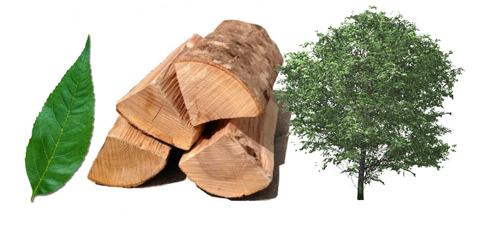
ASH Hardwood
-
Ash firewood is widely considered one of the best all-around hardwoods for burning, offering an ideal balance of easy ignition, steady heat, and long burn times.
-
Appearance: Pale, light-coloured wood with a coarse, open, and relatively straight grain. Its bark is typically grey with a distinct ridged or diamond pattern.
-
Moisture Content: Naturally lower moisture content than most other hardwoods even when fresh, meaning it seasons quickly and can burn relatively well compared to wetter woods (though kiln-dried to under 20% is optimal).
-
Density: High density as a hardwood, but slightly less dense than oak, making it much easier to light while still providing dense, sustained energy.
Burn Performance
-
Ignition: Lights much more easily than denser woods like oak.
-
Flame & Smoke: Produces a bright, steady, and pleasant flame with minimal smoke when properly dried.
-
Heat & Residue: Delivers a strong, dependable heat output and burns evenly down to a fine, powdery ash.
-
Sound: Emits a gentle, consistent crackle without the loud popping common in softwoods.
Best Uses
-
Perfect for everyday use in wood-burning stoves, open fireplaces, pizza ovens, and outdoor fire pits.

BEECH Hardwood
-
Beech firewood is a premier, high-density hardwood known for producing long-lasting heat, steady flames, and a deep bed of glowing coals
Key Characteristics
-
Density: High density (around 680 to 720 kg/m³ when dry), providing a high energy output per log.
-
Burn Time: Slow and steady burn lasting about 2.5 to 4 hours per load, making it great for evening or sustained heating.
-
Flame and Coals: Produces bright, active flames and leaves a long-lasting, hot bed of coals.
-
Smoke and Sparking: Burns very cleanly with minimal smoke and low sparking when properly seasoned or kiln-dried below 20% moisture.
-
Aroma: Emits a mild, pleasant, slightly spicy scent.
Practical Considerations
-
Splitting: Can be tough and challenging to split by hand because of its fibrous grain structure.
-
Seasoning: Typically requires 12 to 18 months of natural seasoning, though it dries faster than oak.

OAK Hardwood
-
Oak firewood is a dense, high-performing hardwood known for producing long-lasting, steady heat and slow-burning embers.
Key Characteristics
-
Density and Weight: Oak is a heavy, tightly grained hardwood, which makes it one of the slowest-burning natural fuels.
-
Heat Output: It generates a high and sustained thermal output (around 25 to 30 million BTUs per cord).
-
Burn Time: Because of its density, it takes longer to ignite than softer woods or lighter hardwoods like birch, but a single well-established log can burn slowly for hours.
-
Aroma and Flame: It produces a classic, subtle hardwood aroma with a clean, steady flame when dry.
Burning and Preparation
-
Moisture Content: Raw or green oak holds water tenaciously and can require an extended natural seasoning period of 18 to 24 months, or fast-drying in a commercial kiln to drop below 20% moisture.
-
Best Uses: Ideal for overnight heating or large wood-burning stoves once a hot fire is already established with kindling or faster-igniting logs. Unseasoned oak should be avoided, as incomplete combustion builds up dangerous creosote in chimneys.

SILVER BIRCH Hardwood
-
Silver birch firewood is a popular, fast-igniting hardwood that burns with a bright, lively flame and gives off quick, punchy heat.
Key Characteristics
-
Appearance: Features a distinct silvery-white, thin, paper-like bark that often peels in layers. The inner wood is a light orange or pale tone.
-
Density: Classified as a medium-to-low density hardwood (around 660 kg/m³), making it lighter than denser woods like oak or ash.
-
Aroma: Releases a subtle, pleasant, and natural scent when burning.
Burning and Preparation
-
Ignition: Very easy to light. The papery bark contains natural resins that can act like a built-in firelighter or kindling.
-
Heat Output: Produces a strong, high heat quickly, making it ideal for bringing a cold stove up to temperature fast.
-
Burn Profile: Burns about 20% to 25% faster than denser hardwoods like oak or beech, offering a lively flame rather than an all-night slow burn.
-
Cleanliness: Produces minimal smoke and very little ash, and it generally does not spit or spark.
Practical Uses
-
Best Applications: Perfect for woodburners, multi-fuel stoves, open fireplaces, firepits, chimineas, and pizza ovens.
-
Seasoning: Dries faster than most hardwoods, often ready within 6 to 12 months, though kiln-dried options guarantee a moisture level below 20%
The Kiln Drying Process


Kiln drying is a controlled industrial process that uses a specialized chamber to heat wood and circulate air, rapidly reducing its moisture content
Key Characteristics
-
Stacking and Preparation: Wood is stacked with small spacers called stickers between boards or split into logs to ensure maximum airflow around every surface.
-
Pre-conditioning/Initial Heating: The kiln is slowly warmed with low heat and high humidity to warm the wood evenly without shocking or cracking it.
-
Drying and Fanning: Industrial fans circulate heated air through the stacks. Moisture moves from the wet core of the wood to the outer surface and evaporates.
-
Moisture Extraction: Conventional kilns vent the moist air via steam or hot exhaust, while dehumidification kilns condense the water out using refrigeration coils.
-
Conditioning: Humidity is briefly raised at the end of the cycle to balance internal and external moisture, relieving stress and preventing warping.
-
Sterilization: Temperatures are often raised above 60°C (140°F) near the end to kill any remaining insects, larvae, and fungi.